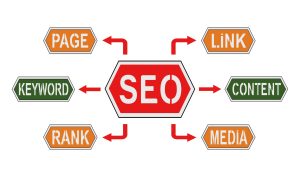
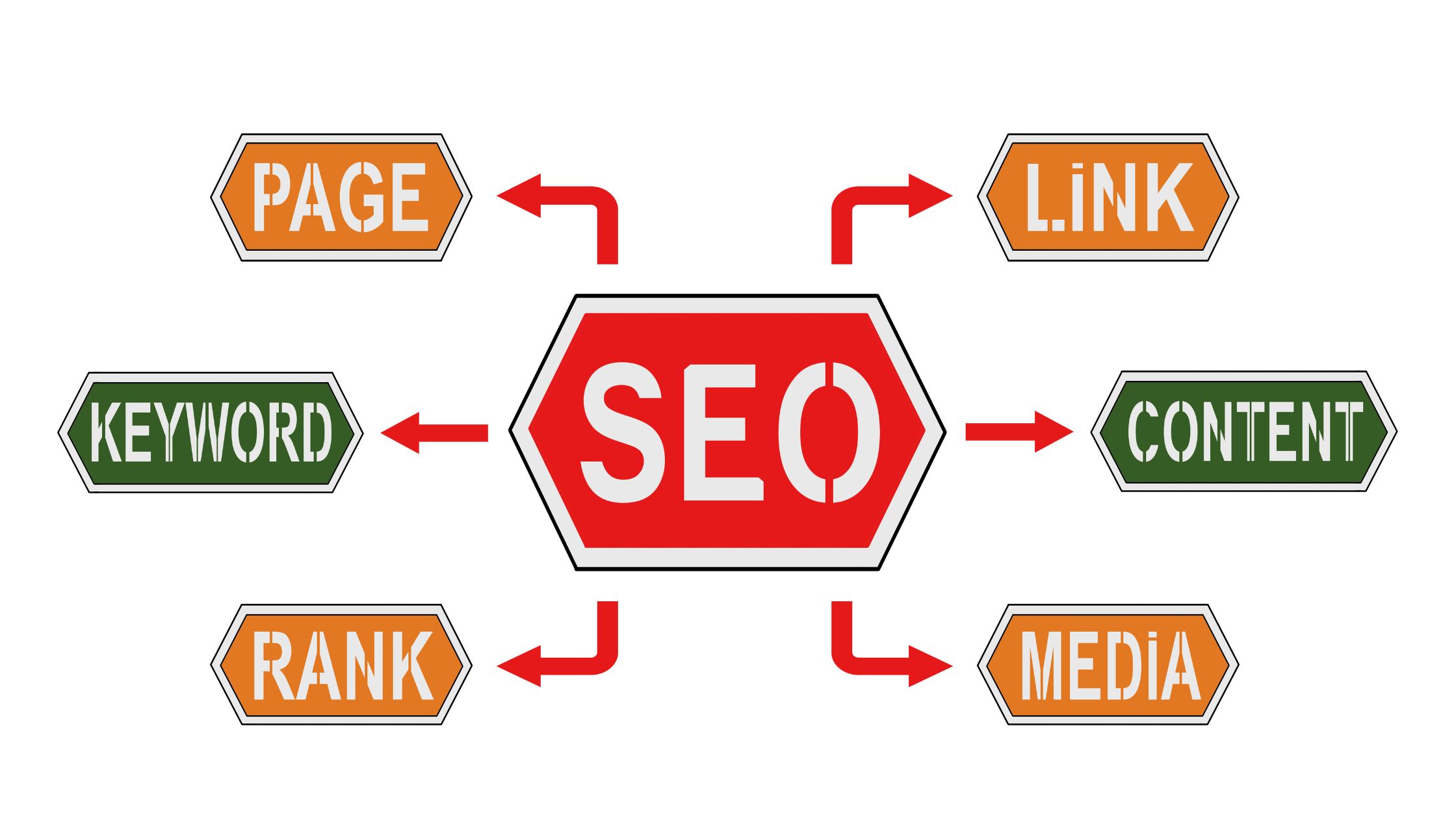
Search engine optimization (SEO) is an essential aspect of digital marketing that helps improve the visibility and ranking of a website in search engines. With the increasing competition in the online marketplace, it’s more important than ever to understand the various factors that can impact your website’s SEO and make continuous improvements to stay ahead of the competition. In this article, we’ve discussed 30 SEO factors that can impact your website’s ranking in search engines.
Content quality and relevance:
The quality and relevance of the content on your website is one of the most important SEO factors. High-quality, engaging, and relevant content can attract and retain visitors, and improve your website’s ranking and visibility in search engines. Search engines prioritize websites that provide valuable and relevant information to users, and that meet their needs and interests.
Keyword usage and density:
Keyword usage and density refers to how you use and incorporate keywords into your website’s content and meta tags. Keywords are the terms and phrases that users type into search engines to find information. Using relevant keywords in your content and meta tags can help search engines understand what your website is about, and improve its ranking for those keywords. However, overusing keywords (known as keyword stuffing) can hurt your SEO and make your content less readable and appealing to users.
Title tags and meta descriptions:
Title tags and meta descriptions are snippets of text that appear in the search engine results pages (SERPs), and provide a brief summary of what your page is about. Title tags and meta descriptions should be descriptive, relevant, and optimized for the target keywords. They should also be compelling and enticing to users, to encourage them to click on your website and visit your pages.
URL structure:
The structure of your website’s URLs (the web addresses of your pages) is another important SEO factor. A clean and well-organized URL structure can help search engines understand the hierarchy and organization of your website, and make it easier for users to navigate and understand the content of your pages.
Header tags (H1, H2, etc.):
Header tags are HTML elements that are used to structure the content on your website into sections and sub-sections, making it easier for users and search engines to understand the main topics and sub-topics of your content. The most important header tag is the H1 tag, which is used to identify the main heading or title of your page.
Image optimization:
Image optimization refers to the process of optimizing your images to make them more discoverable by search engines and to improve the load time and user experience of your website. Image optimization involves using descriptive file names, alt tags (alternative text descriptions), and compression techniques to reduce the size of the images and make them faster to load.
Internal linking:
Internal links are links that connect different pages within your website. They can help users navigate your website, and provide search engines with context and information about the relationships between your pages. Internal linking can also distribute PageRank (the value that search engines assign to pages based on their importance) within your website, and help search engines understand the structure and hierarchy of your content.
External linking:
External links are links that point from your website to other websites. They can provide additional information and context to users and search engines, and improve the trust and authority of your website. High-quality and relevant external links can also boost your website’s ranking and visibility in search engines, as they indicate that your website is a valuable and trustworthy source of information.
Mobile responsiveness:
With the growing number of users accessing the internet from mobile devices, it’s important to have a mobile-friendly website that adjusts its layout and content based on the screen size and orientation of the device. A responsive design can improve the user experience and accessibility of your website, and make it easier for users to find and interact with your content, regardless of the device they use.
Page speed:
Page speed refers to the time it takes for a website to load. A fast-loading website can improve the user experience and reduce bounce rates (the percentage of visitors who leave your website after viewing only one page), as users tend to abandon websites that take too long to load. Page speed is also an important factor for mobile users, who are more likely to be using slower internet connections. Improving page speed can help reduce bounce rates, improve user engagement, and increase conversions.
Site architecture:
Site architecture refers to the overall structure and organization of your website, including the arrangement of your pages, categories, and sub-pages. A well-designed site architecture can improve the user experience by making it easier for users to find the content they are looking for, and can also help search engines understand the content and hierarchy of your website.
User experience (UX):
User experience (UX) refers to the overall satisfaction and experience that users have when interacting with your website, including its design, layout, functionality, and content. Improving UX can help increase user engagement, reduce bounce rates, and increase conversions. UX can be improved through techniques such as designing intuitive navigation, creating responsive and accessible content, and optimizing page speed and load times.
Social signals:
Social signals are the interactions and actions that users take on social media platforms, such as likes, shares, comments, and mentions. These signals can indicate the popularity and relevance of your content, and can influence your website’s ranking and visibility in search engines, especially for search queries that are related to social media topics.
Local SEO:
Local SEO refers to optimizing your website for local search queries, such as those that include a location, city, or region. Local SEO can help your website appear in local search results, and can increase your visibility and reach among local audiences. Techniques for optimizing local SEO include creating and claiming a Google My Business listing, optimizing your website’s content and meta tags for local keywords, and using schema markup to provide information about your location and services.
Schema markup:
Schema markup is a type of code that you can add to your website to provide additional information to search engines about the content and structure of your pages. Schema markup can help search engines understand the context and meaning of your content, and can improve the display of your website in search results, including rich snippets and other enhanced features.
Canonicalization:
Canonicalization is the process of specifying the preferred version of a page when there are multiple versions of the same content available, for example, due to URL variations. This helps search engines avoid indexing multiple versions of the same content, and can improve your website’s ranking and visibility.
Domain age and history:
Domain age and history refers to the length of time that a domain has been registered and used, and the history of the domain, including any previous ownership or use. Search engines often give priority to older domains with a history of stable and relevant content, as they are seen as more trustworthy and authoritative.
Site security (HTTPS):
Site security refers to the measures taken to protect your website and users’ data from unauthorized access and hacking. One of the most important security measures is to use HTTPS encryption, which encrypts the data transmitted between your website and users’ browsers, and helps prevent data theft and tampering.
Sitemap and robots.txt:
A sitemap is a file that lists all the pages on your website, and provides information to search engines about the structure and organization of your content. The robots.txt file is used to specify which pages on your website should be indexed and crawled by search engines, and which pages should be excluded. These files can help search engines efficiently crawl and index your website, and can also provide information about any restrictions or limitations on your website’s content.
Content length:
Content length refers to the amount of content on a page, and can impact your website’s ranking and visibility in search engines. Research has shown that longer, in-depth content is often favored by search engines, as it indicates that a website has a high level of expertise and authority on a subject. However, the content should also be relevant, well-written, and provide value to users.
Bounce rate:
Bounce rate refers to the percentage of users who leave your website after visiting only one page, without clicking on any other links or exploring further. High bounce rates can indicate that your website is not providing the information or value that users are looking for, and can negatively impact your website’s ranking and visibility. Improving the user experience and relevance of your content can help reduce bounce rates and increase user engagement.
Click-through rate (CTR):
Click-through rate (CTR) refers to the ratio of clicks to impressions for your website or specific pages. CTR can be an important indicator of the relevance and value of your content, and can also impact your website’s ranking and visibility in search engines. Improving the quality and relevance of your content, as well as optimizing your titles, meta descriptions, and other elements, can help increase CTR and improve your website’s visibility and performance.
Number of backlinks:
Backlinks, also known as inbound links or incoming links, are links from other websites to your website. The number of backlinks to your website can indicate the popularity and authority of your content, and can also impact your website’s ranking and visibility in search engines. However, not all backlinks are equal, and search engines also consider the quality and relevance of the linking websites, as well as the relevance of the link’s anchor text.
Anchor text:
Anchor text is the visible text that is used for a hyperlink, and can provide additional context and information to search engines about the content being linked to. The relevance and context of the anchor text can impact your website’s ranking and visibility, and can also help indicate the authority and relevance of the linking website.
Link quality:
Link quality refers to the relevance and authority of the websites linking to your website. Search engines give more weight to backlinks from high-quality, authoritative websites, as they indicate that your website is also authoritative and relevant on the same subject. On the other hand, links from low-quality, spammy websites can harm your website’s ranking and visibility.
Duplicate content:
Duplicate content refers to content that is exactly the same, or very similar, to content found on other websites. Search engines can penalize websites for having duplicate content, as it can indicate that the content is not original or valuable. To avoid this, it is important to create unique, original content for your website, and to avoid duplicating content from other sources.
Landing page optimization:
Landing page optimization refers to the process of improving the design, functionality, and relevance of the landing pages on your website, with the goal of increasing conversions and user engagement. Techniques for landing page optimization include improving the relevance and value of the content, optimizing the layout and design, and including clear and compelling calls-to-action.
Call-to-action (CTA):
A call-to-action (CTA) is a button or link that encourages users to take a specific action, such as making a purchase, signing up for a newsletter, or downloading a resource. CTAs are an important part of landing page optimization, and can help increase conversions and user engagement by guiding users towards the desired action.
Keyword-rich domain name:
A keyword-rich domain name refers to a domain name that contains keywords relevant to the content of the website. For example, a website about “dog grooming” may have a domain name like “doggroomingtips.com.” While having a keyword-rich domain name can sometimes help improve the visibility of your website in search engines, it is not as important a factor as it used to be, and other factors like high-quality, relevant content and authoritative backlinks are more important for ranking well in search engines.
Keyword research and targeting:
Keyword research and targeting refers to the process of identifying the keywords and phrases that are relevant to the content of your website, and optimizing your content and other elements to target these keywords. Effective keyword research and targeting can help improve the visibility and ranking of your website in search engines, as well as help attract the right audience to your website.
In conclusion, there are many factors that can impact your website’s search engine optimization (SEO) and visibility in search engines. Understanding these factors and optimizing your website accordingly can help you rank higher in search engine results pages (SERPs) and attract more qualified traffic to your website. However, it’s important to note that there’s no one-size-fits-all approach to SEO, and what works for one website may not work for another. It’s crucial to stay up-to-date with the latest best practices and make continuous improvements to your website’s SEO to stay ahead of the competition.